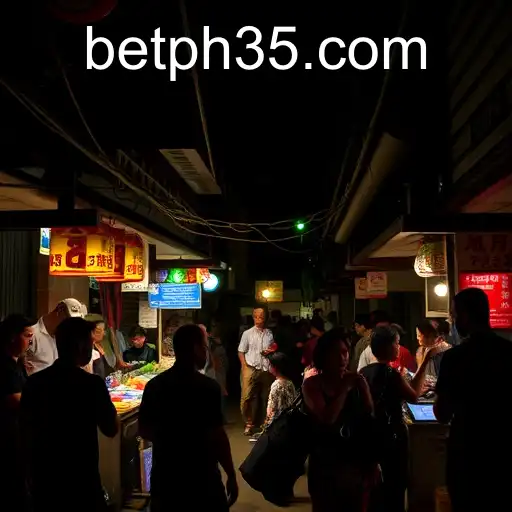
Exploring the Underworld of Jueteng in the Philippines: The Code PH35
In the rich tapestry of Filipino culture, few topics generate as much intrigue and controversy as jueteng, a grassroots numbers game deeply embedded in the nation's socio-economic landscape. Despite its illegal status, this game remains highly popular among a considerable segment of the population. The secretive nature of jueteng has given rise to various codes, one of which is PH35, serving as a key element in the game’s persistent allure.ps88
Understanding Jueteng
Jueteng is a numbers game that originated from hweteng, a similar game of Chinese origin. The concept is uncomplicated: bettors choose two numbers from 1 to 37, and if their combination is drawn, they win a prize. Despite its simplicity, jueteng is deeply rooted in the social fabric, with both economic and cultural dimensions influencing its staying power.
The Economic Facet
The socioeconomic landscape of the Philippines significantly contributes to the prominence of jueteng. Many people, burdened by poverty, consider this game an opportunity to change their fortunes, however small the odds may be. As such, jueteng acts as both a social equalizer and a lifeline for daily earners looking for a respite, however temporary. In communities where economic opportunities are scant, the game often becomes intertwined with local economies, offering employment, albeit informal, for kubradors and cabo, the runners and managers of the game respectively.betwinner
Cultural Resonance
Beyond economic motivations, jueteng occupies a unique role in the cultural domain. It reflects a vibrant community gathering point, where discussions and socializing unfold against a backdrop of anticipated luck. In this context, gambling is not merely an activity but a tradition, passed down through generations. In many communities, jueteng draws participants not only for potential winnings but also for its social aspects.
Decoding PH35: A Secret Language of Numbers
The code PH35 is more than just a collection of characters — it represents an encoded culture, a system of communication that has evolved to conceal the collaboration of participants within the game. This secretive approach is not just designed to evade law enforcement but also to maintain the mystique and complexity that draws in collectors and bettors alike. While the exact nuances of these codes are known only to insiders, they often serve as signals for the latest trends, hot numbers, or betting strategies within the jueteng universe.Ph35d
The Legal Tug-of-War
The Philippine government has a tumultuous relationship with jueteng, characterized by cycles of crackdown and clandestine resurgence. Several administrations have pledged to eliminate it, often citing moral, economic, and legal reasons. However, despite numerous efforts, the game has repeatedly surfaced, replete with tales of corruption and collusion involving officials, further entrenching its place in society.
Socio-political Dynamics
Jueteng is deeply intertwined with the political landscape, often associated with allegations of graft and electoral malfeasance. The involvement of political figures in jueteng operations is not uncommon and can significantly influence local and national governance. As such, any attempt to dismantle these networks is often met with resistance, compromising broader efforts to address the issues legally and culturally embedded in the game.Ph35f
Attempts at Regulation and Alternatives
While outright bans have proven ineffective, there have been proposals to adapt regulatory frameworks that could transform these operations into legal number games, similar to state-run lotteries in other countries. Proponents argue that regulation could mitigate corrupt practices, provide economic benefits, and channel revenues into public services. However, opponents highlight potential exacerbations of addiction and moral decay.
Concluding Thoughts
Jueteng, encapsulated in its secretive codes like PH35, continues to thrive against a backdrop of prohibition and cultural entrenchment. It reflects the complexities of Filipino society, where economic necessity, cultural tradition, and political intrigue converge. As debates around its place in the Philippines persist, so too does interest in its clandestine operations, making it both a mirror and a mystery within the nation's ongoing narrative.Ph365
For further insight into the cultural and socio-economic contexts of the Philippines, visit our homepage.